


Business Strategy & Growth

March 4, 2026

5 min read
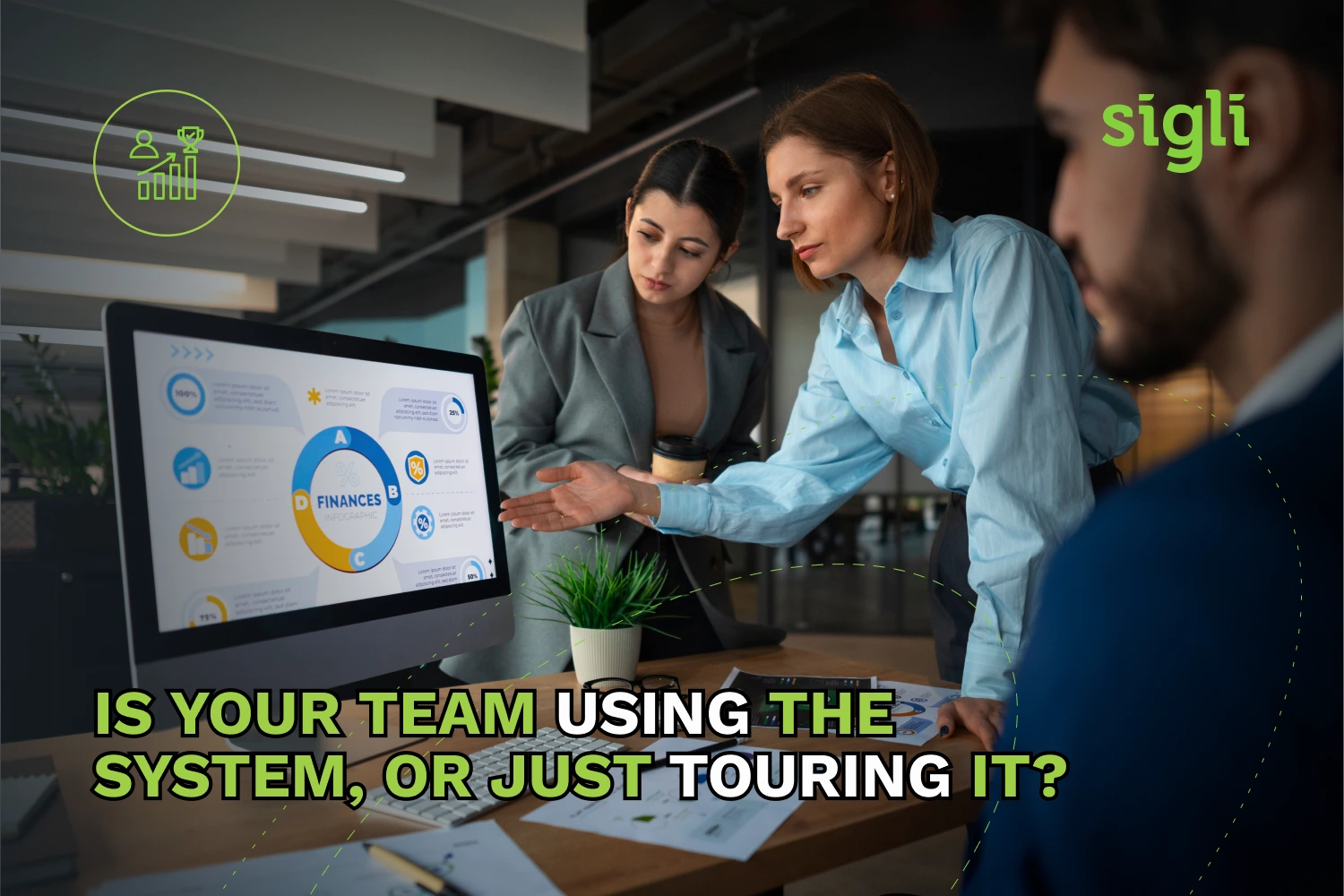
Most digital transformation projects falter at the final hurdle: the human element. Traditional end-user training often fails because it treats software as a destination rather than a tool. To drive genuine adoption, training must shift from "system tours" to workday enablement plans.
In the competitive landscape of User Training Services Benelux, success isn't measured by the number of sessions delivered, but by the speed of operational autonomy on Day 1.
Generic software demonstrations are high-effort and low-retention. Effective User Training Services in the Benelux region require a move away from the "one-size-fits-all" demo toward a role-based design that mirrors the functional reality of an organization.
Effective training begins by mapping operational roles rather than hierarchical titles. In the Benelux market, characterized by multilingual teams and cross-border collaboration, a "Sales Representative" in Amsterdam may have different data compliance requirements or localized workflows than one in Brussels.
Key personas to map include:
For every persona, identify the 5–15 mission-critical tasks performed weekly. Instead of "navigating the interface," the focus shifts to executable workflows:
Providing User Training Services Benelux wide involves more than just translating slides. It requires an understanding of regional nuances in work culture and language.
A live session is a catalyst, but long-term adoption requires a reusable ecosystem of assets. Professional User Training Services Benelux providers deliver a "Learning Library" designed for continuous onboarding.
Users rarely re-watch a 60-minute recording to solve a 30-second problem. The most effective training packages include:
In a modern digital workplace, videos should be task-based and "snackable" (2–5 minutes).
The transition from a "system tour" to an "adoption-led" strategy is what defines premium User Training Services Benelux. By focusing on role-based mapping and a robust asset ecosystem, organizations ensure that their teams aren't just "using the system", they are mastering it.
In the Benelux region, training must account for multilingual teams (Dutch, French, English) and localized business logic. Professional training services ensure that every user receives instructions in their preferred language while adhering to regional compliance and operational nuances.
A standard demo shows what the software can do; role-based training shows what the employee must do. We map specific operational roles, such as Sales, Finance, or Admin, and focus exclusively on the 5–15 tasks they perform weekly to ensure immediate workday enablement.
Effective training goes beyond the live session. A standard package includes: task-based job aids (1–2 page "how-to" guides), quick reference guides (troubleshooting and "top action" sheets), micro-learning videos (2–5 minute recordings of specific workflows), trainer scripts (ensuring consistency across international offices).
By focusing on "error-trapping" and clear escalation paths during training, users become self-sufficient. This proactive approach significantly reduces the volume of "how-to" tickets reaching your internal support desk during the critical weeks following a software go-live.
Yes. By delivering a digital "Learning Library" of task-based videos and job aids, the training becomes a permanent asset. This allows Benelux companies to maintain high adoption standards for new hires without needing to schedule recurring live sessions.



.svg)
.svg)
.svg)
.svg)


.svg)

.svg)
.svg)
.svg)
.svg)
.svg)
.webp)


.webp)




.webp)
